
100+ 5-Star Reviews on Google!


TL;DR
HomeStars' 2026 Alberta cost guide puts a standard Calgary or Edmonton production build at 10 to 14 months from permit to occupancy. Construction mortgages release in four to six progress draws tied to completed stages, not invoices, so plan for interest carrying costs and Alberta's 10 per cent lien holdback.
Key Takeaways
Building a home in Alberta runs on two clocks at once: the builder's schedule and the lender's draw schedule. When those clocks fall out of sync, people end up paying trades out of savings while waiting on an advance. I see it every spring.
The build window is longer than most people budget for. HomeStars reported in its 2026 Alberta cost guide that a standard production build in Calgary or Edmonton takes roughly 10 to 14 months from permit application to occupancy, and custom builds run 14 to 20 months. Your financing has to be structured for that full stretch, not for a 90 day possession date.
In my experience working with Alberta buyers, from acreage builds near Olds to infills in Edmonton, the clients who finish on time are the ones who mapped the money before the first shovel hit dirt. Here is the countdown I walk clients through.
Before a lender will issue a construction mortgage commitment, you need four things: secured land, a signed fixed price build contract with a detailed budget, a registered builder or owner builder authorization, and income documents that will still be valid at final advance. Missing any one of them stalls the file.
Lenders fund the build, not the dream. If you do not already own the lot, the land purchase is financed separately or rolled in as the first advance, and most lenders want the land equity position confirmed before they commit. Permits matter too. New Homes Alberta noted in its 2026 permit guide that municipal approvals in Alberta typically take four to twelve weeks depending on the municipality and design complexity. In counties like Mountain View, Red Deer County and Sturgeon, add time for development permits and approach approvals.
Every new home built in Alberta needs warranty coverage in place, and the Alberta New Home Warranty Program confirms that the New Home Buyer Protection Act has required it since February 2014. Lenders check for it. I have watched a final advance sit idle because the builder had not registered the home, not because the borrower did anything wrong.
Supply pressure shapes how fast trades show up. BILD Alberta's 2026 housing data shows starts easing across the province, with Calgary down 23 per cent and Edmonton down 20 per cent versus the same quarter in 2025, while Grande Prairie nearly doubled. Slower starts in the big centres can actually help you, because trades free up.
What I have found with rural financing is that the prep list gets longer. Well flow tests, private sewage design approval and an appraiser willing to drive out all add days. Start with a proper mortgage pre-approval so you know your ceiling before you sign a build contract.
A construction mortgage in Alberta pays out in stages, usually four to six progress draws tied to completion milestones rather than invoices. You pay interest only on what has been advanced. Here is the sequence I run with clients, and roughly where the calendar time goes.
1. Commitment and land advance, weeks one to four. The lender approves the total project value, confirms your down payment and either funds the lot or verifies you own it.
2. Foundation draw, typically month two to four. Released after excavation, footings and foundation pass inspection. In Alberta this one is weather sensitive. Miss the fall window and you are waiting for frost to leave the ground.
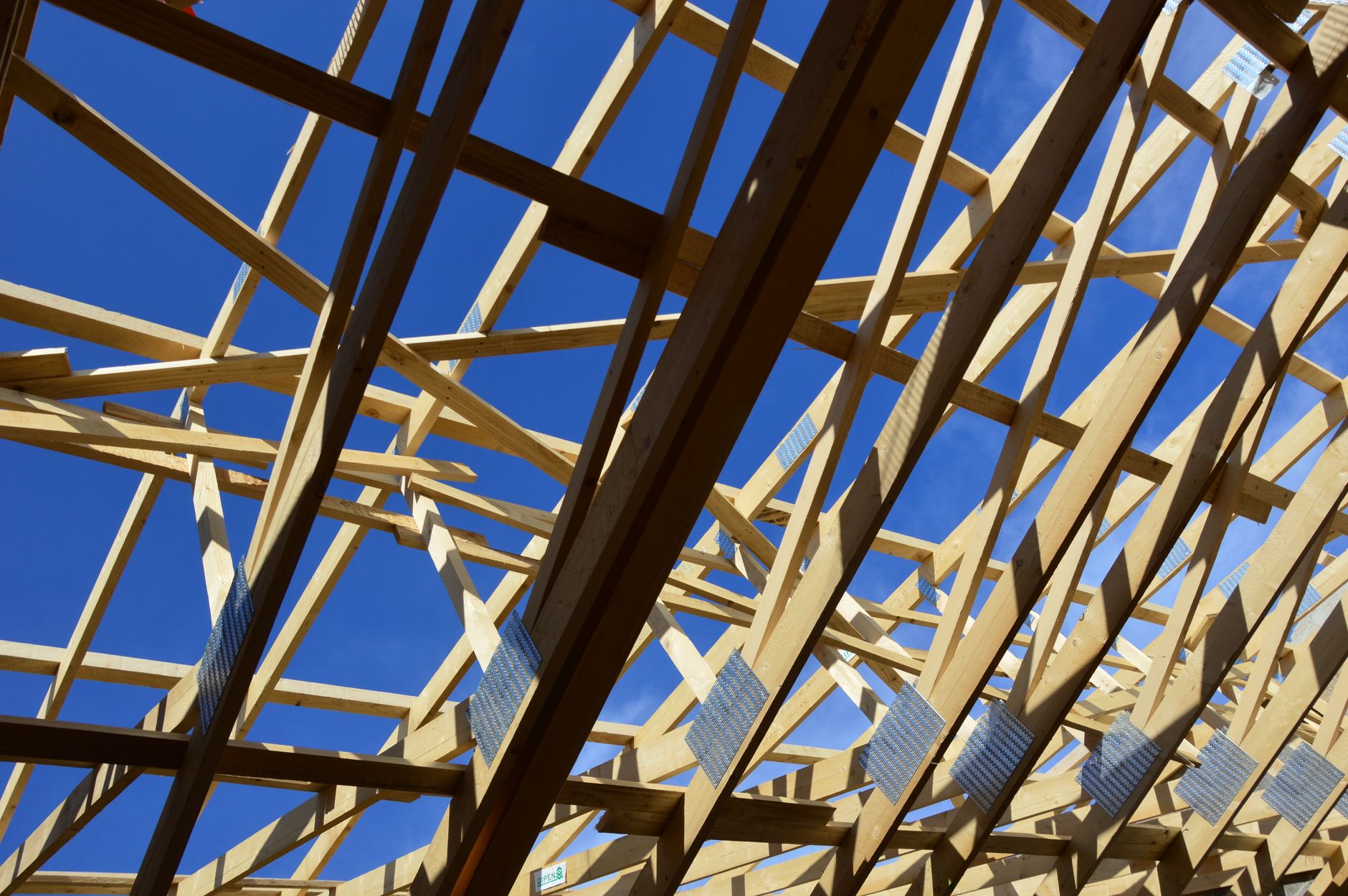
3. Lock up draw, roughly month five to eight. Framing, roof, windows and exterior doors complete.
4. Drywall and interior draw, month eight to eleven. Mechanical rough ins, insulation and boarding done.
5. Completion draw at occupancy permit, month ten to fourteen on a production build.
6. Conversion to a standard mortgage, usually within thirty days of final advance.
Each draw requires a third party appraisal or progress inspection, and the lender advances on value in place, not on what you have spent. Cost overruns do not increase the advance. Alberta also has a statutory holdback: McCarthy Tetrault explains that owners must retain 10 per cent of each payment to the contractor as lien protection, and that fund is held after substantial completion. That 10 per cent is real cash you need available.
Rate exposure runs the whole way. The Bank of Canada has the overnight rate at 2.25 per cent with prime at 4.45 per cent in 2026, and most construction facilities float at prime plus a spread until conversion. I always tell my clients to model the interest carrying cost on the drawn balance month by month using our free mortgage calculator before committing to a build budget.
The most expensive mistakes I see are timing mistakes, not rate mistakes: a rate hold that expires mid build, a draw requested before the stage is truly complete, and income or credit that changed between approval and final advance. All three are avoidable with a calendar and a phone call.
Many completion rate commitments run six to twelve months. Builds do not. CMHC reported in July 2026 that actual housing starts in centres of 10,000 or more fell 19 per cent year over year, 18,834 units against 23,155 in July 2025, and softer volumes have not shortened build times. Ask at application what happens if you need an extension, and get the answer in writing.
The inspector measures completion, not effort. If you are 80 per cent through lock up and request the full draw, you pay the inspection fee, get a partial advance, then pay again. When I reviewed a central Alberta file last year, the builder had ordered two extra inspections for exactly this reason. Wait the extra week.
Lenders re verify income, employment and credit before the final advance. A new truck loan, a job change or a missed payment can shrink your approval when you are three weeks from possession. ATB Financial's 2026 housing commentary notes multi unit projects dominated starts in both Edmonton and Calgary, and competition for trades keeps schedules fluid, so your file stays open longer than you expect.
One more: rural builds need the well and septic signed off before the last dollar moves. Plan that inspection early. If you are weighing an acreage build, my page on rural property financing covers the extra steps, and the new construction mortgage details are worth reading before you sign. Questions on your own timeline? Reach out to me directly.
A construction mortgage timeline in Alberta is really a sequence of small deadlines: permits, foundation before freeze up, lock up, drywall, occupancy permit, then conversion. Ten to fourteen months is normal for a production build, longer for custom or acreage projects, and your financing needs to be built for that stretch with the 10 per cent lien holdback and floating interest carrying costs accounted for.
After helping clients build in Olds, Red Deer, Sturgeon County and Calgary's newer communities, the pattern is consistent: the people who finish on budget planned the draws before the dirt moved. I work with more than 40 lenders, so I can match you with the ones whose draw schedules actually fit your builder. If you are starting a build this year, get in touch with me and we will map the countdown together.


